Table Tennis Tactics: Complete Strategic Guide for Modern Players
Master the art of table tennis with comprehensive tactical approaches, strategic thinking, and winning techniques used by professional players worldwide.
Table of Contents
Introduction to Table Tennis Tactics ?
Table Tennis Tactics represent the strategic foundation of successful gameplay, transforming simple ball exchanges into calculated winning maneuvers. Understanding proper Table Tennis Tactics separates recreational players from competitive athletes who consistently outperform their opponents.
The evolution of modern table tennis has shifted emphasis from pure physical ability to sophisticated tactical awareness. Players must now master multiple strategic dimensions including shot selection, positioning, spin variation, and psychological warfare.
Key Insight: Effective Table Tennis Tactics involve predicting opponent movements, controlling rally tempo, and exploiting weaknesses while concealing your own limitations.
Developing a tactical mindset requires understanding fundamental principles before advancing to complex strategies. This comprehensive guide explores all aspects of competitive table tennis from basic concepts to elite-level approaches used by international champions.
Basic Table Tennis Tactics for Beginners ?
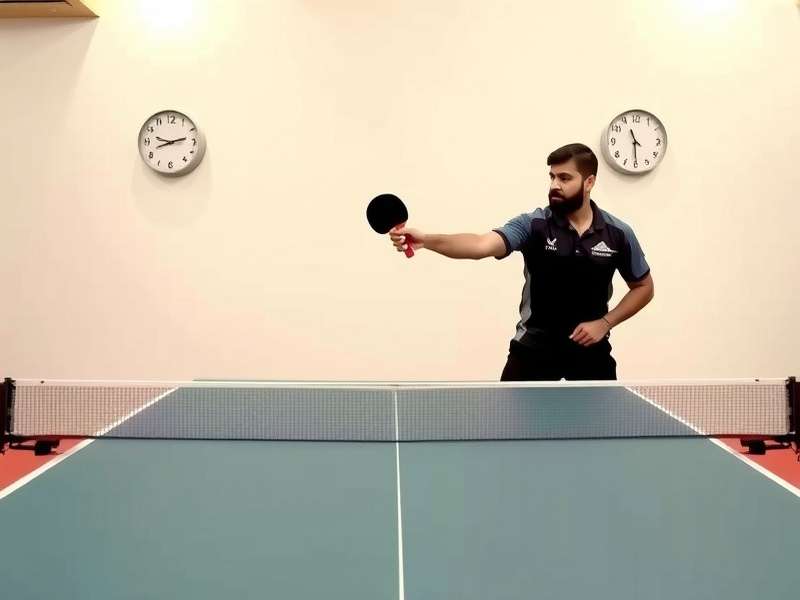
Mastering fundamental Table Tennis Tactics provides the essential building blocks for competitive success. These core strategies focus on consistency, placement, and developing reliable patterns that pressure opponents into errors.
Consistency & Placement Strategies
The primary tactical objective for developing players involves maintaining rally consistency while strategically placing shots to exploit court geometry. Deep shots to corners force opponents away from the table, creating offensive opportunities.
Effective placement tactics require understanding opponent positioning and movement patterns. Alternating between wide angles and middle-table shots disrupts rhythm and creates uncertainty in your opponent's preparation phase.
Serve & Return Principles
Serving represents the only completely controlled shot in table tennis, making it a critical tactical weapon. Varying spin, placement, and speed on serves prevents opponents from establishing comfortable return patterns.
Return tactics focus on neutralizing opponent advantages while creating offensive opportunities. Short returns against deep serves and aggressive flips against predictable placements form the foundation of effective return strategies.
Tactical Tip: Develop 3-4 reliable serve variations with different spin characteristics to keep opponents guessing throughout matches.
Advanced Strategic Approaches ?
Elite Table Tennis Tactics involve multi-layered strategic thinking that adapts to opponent strengths and match situations. These sophisticated approaches separate top competitors from intermediate players.
Spin Variation & Deception
Advanced players master subtle spin variations to disrupt opponent timing and create forced errors. Combining heavy topspin with occasional backspin or sidespin shots creates uncertainty in your opponent's stroke preparation.
Deception tactics involve disguising shot intention until the last possible moment. Similar preparation for different shots forces opponents to react rather than anticipate, providing strategic advantages in fast exchanges.
Pattern Recognition & Disruption
High-level competition involves identifying and exploiting opponent patterns while concealing your own tendencies. Strategic players recognize recurring sequences in opponent play and insert disruptive shots to break rhythm.
Effective pattern disruption requires tactical flexibility and the ability to change strategies mid-match. Alternating between aggressive and defensive play styles prevents opponents from establishing comfortable gameplay patterns.

Psychological Warfare & Momentum
Mental tactics form a crucial component of elite Table Tennis Tactics. Controlling match tempo, using strategic timeouts, and projecting confidence during critical points all contribute to psychological advantages.
Momentum management involves recognizing shifting match dynamics and implementing appropriate tactical responses. Breaking opponent momentum with unexpected shot selections or tempo changes can dramatically alter match outcomes.
Indian Playing Style & Tactics ??
The distinctive Indian approach to Table Tennis Tactics combines traditional techniques with adaptive modern strategies. Indian players have developed unique tactical solutions that leverage specific physical attributes and cultural training methods.
Historical Evolution of Indian Tactics
Traditional Indian table tennis emphasized wrist flexibility and close-to-table control, producing players with exceptional touch and placement skills. These foundational tactics focused on consistency and error minimization rather than overpowering opponents.
The modern evolution incorporates increased physical power and European-style topspin techniques while retaining distinctive Indian characteristics. This hybrid approach has produced internationally competitive players with unique tactical profiles.
Signature Indian Strategic Elements
Indian Table Tennis Tactics frequently feature exceptional service variety and deceptive ball placement. The cultural emphasis on hand-eye coordination development from childhood creates players with sophisticated ball control capabilities.
Strategic patience represents another hallmark of Indian playing styles. Rather than forcing offensive opportunities, Indian tactics often involve constructing points methodically and capitalizing on opponent mistakes through consistent pressure.
Characteristic Feature: Indian players often excel at improvisational shots and unexpected angles, creating difficulties for opponents accustomed to predictable patterns.
Adaptation to International Competition
Contemporary Indian Table Tennis Tactics have evolved to address the physical power of European and East Asian styles. Modern training incorporates physical conditioning and power development while preserving traditional strengths.
Tactical flexibility has become increasingly important as Indian players compete internationally. The ability to alternate between controlled placement games and powerful topspin exchanges defines the modern Indian tactical approach.
Training & Implementation Methods ?
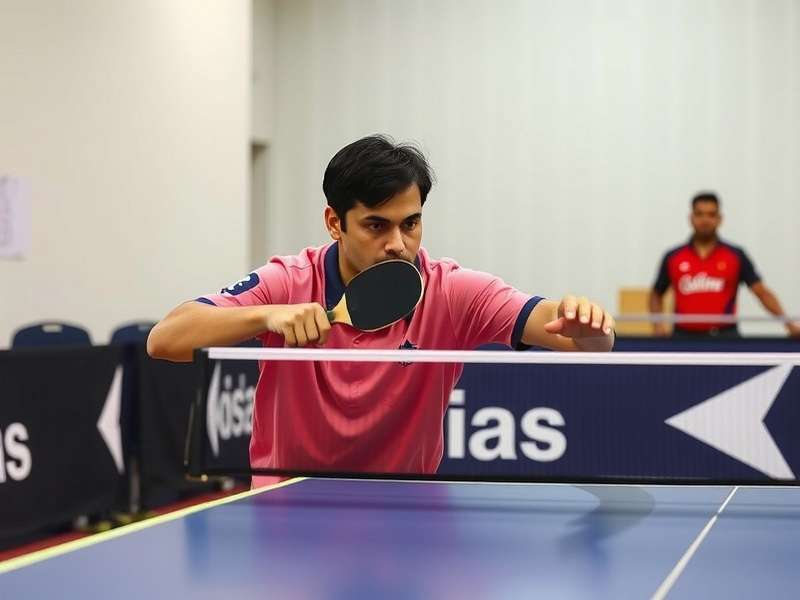
Systematic training approaches transform theoretical Table Tennis Tactics into practical competitive skills. Effective practice methodologies develop both technical execution and tactical decision-making under pressure.
Drill-Based Tactical Development
Structured drills with specific tactical objectives build muscle memory and instinctive responses. Multi-ball exercises develop shot consistency under fatigue conditions, simulating match pressure environments.
Scenario-based training recreates common match situations with prescribed tactical responses. Practicing specific point patterns until they become automatic ensures reliable execution during competition.
Mental Preparation & Match Analysis
Tactical development extends beyond physical training to include comprehensive match analysis and mental preparation. Reviewing match footage identifies tactical patterns and decision-making tendencies.
Visualization techniques strengthen neural pathways associated with tactical execution. Mentally rehearsing specific strategies and responses enhances performance during actual competition situations.
Training Insight: The most effective Table Tennis Tactics training combines technical repetition with situational problem-solving to develop adaptable competitive skills.
Progressive Implementation Framework
Successful tactical development follows a progressive implementation framework beginning with fundamental concepts and advancing to sophisticated strategies. Each training phase builds upon previous skills while introducing new tactical dimensions.
Match simulation provides the critical bridge between training and competition. Implementing tactics against resisting opponents in practice environments develops the adaptability required for tournament success.
Conclusion: Mastering Table Tennis Tactics
Table Tennis Tactics represent the intellectual dimension of competitive play, transforming physical skills into consistent winning performances. Mastering strategic concepts requires dedicated study and practical application across diverse competitive scenarios.
The evolution of modern Table Tennis Tactics continues as equipment technology advances and playing styles develop internationally. Remaining competitive requires ongoing tactical adaptation and continuous skill refinement.
Whether adopting distinctive Indian approaches or international techniques, successful players understand that tactical intelligence ultimately determines competitive achievement. Comprehensive mastery of Table Tennis Tactics provides the foundation for reaching maximum performance potential.