Table of Contents
Game Overview & Introduction
Pixel Metropolis Manager represents a groundbreaking approach to city-building simulation games, combining nostalgic pixel-art aesthetics with sophisticated urban management mechanics. Developed by Indian gaming studio UrbanPixel Games, this title has captured the imagination of strategy enthusiasts worldwide.
The game challenges players to transform a small settlement into a thriving metropolitan hub, balancing economic growth, citizen happiness, and environmental sustainability. With its intuitive interface and deep strategic elements, Pixel Metropolis Manager appeals to both casual gamers and hardcore simulation fans.
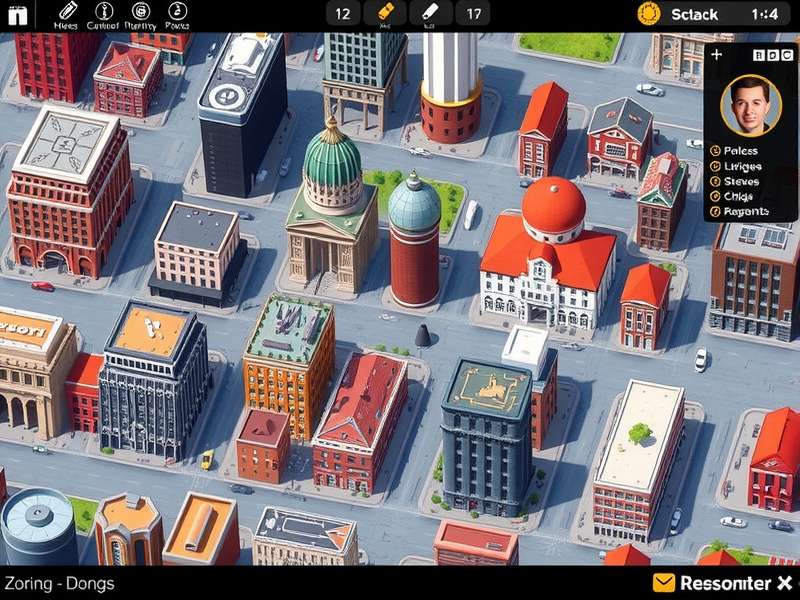
What sets Pixel Metropolis Manager apart from other city-building games is its emphasis on realistic urban dynamics. Players must consider traffic flow, public transportation networks, zoning regulations, and emergency services distribution—all while maintaining a balanced budget and responding to citizen demands.
The game's economic system features complex supply chains, employment dynamics, and market fluctuations that require careful planning and adaptive strategies. Successful players master the art of anticipating growth patterns and preparing infrastructure accordingly.
Core Gameplay Mechanics
City Building Foundations ?️
The core gameplay of Pixel Metropolis Manager revolves around strategic urban development. Players begin with a blank canvas—an undeveloped plot of land—and gradually construct residential, commercial, and industrial zones. Each zone type interacts dynamically with the others, creating complex urban ecosystems.
Zoning System
The game features three primary zone types: Residential (R), Commercial (C), and Industrial (I). Each zone has multiple density levels, from low-density suburban areas to high-density urban centers. Proper zoning balance is crucial for sustainable city growth.
Infrastructure Management
Players must develop comprehensive road networks, public transportation systems, and utility services. The game's traffic simulation engine realistically models citizen movement patterns, requiring thoughtful urban planning to prevent congestion.
Resource management forms another critical aspect of gameplay. Players balance electricity generation, water supply, waste management, and budgetary constraints. As cities expand, these systems become increasingly complex, demanding advanced planning and optimization strategies.
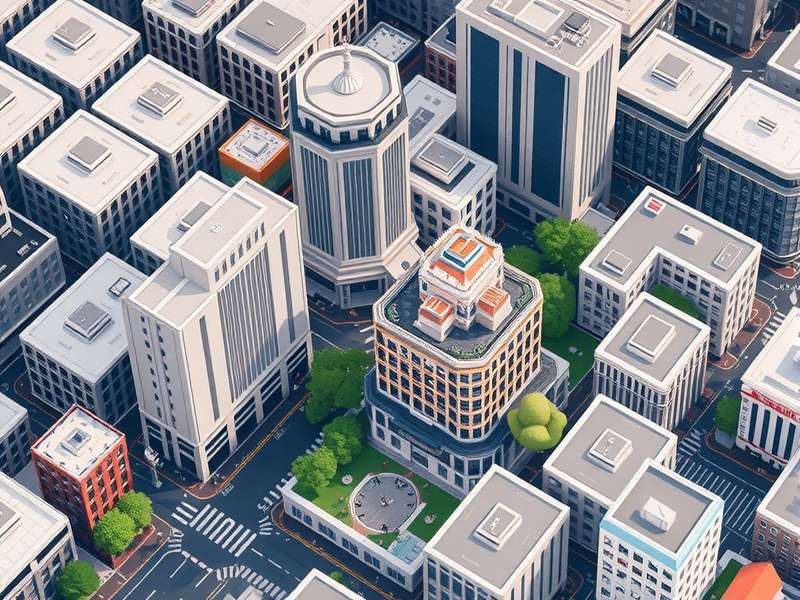
Economic Systems & Development ?
The economic engine in Pixel Metropolis Manager features multiple interconnected systems. Municipal budgets derive from property taxes, commercial revenues, and industrial output. Players must balance expenditures on public services with citizen tax tolerance.
Employment dynamics create realistic economic cycles. Commercial zones generate jobs that residential citizens fill, while industrial zones produce goods that commercial businesses sell. Disruptions in this cycle can lead to economic decline or citizen dissatisfaction.
Pro Tip: Successful Pixel Metropolis Manager players gradually diversify their city economies, reducing dependence on single industries and creating resilient urban economies capable of weathering market fluctuations.
Specialized districts offer advanced economic opportunities. Players can establish technology hubs, financial centers, or tourism districts, each with unique benefits and challenges. These specialized areas require specific infrastructure investments but yield higher economic returns.
Key Features & Elements
Visual Design & Aesthetics ?
Pixel Metropolis Manager employs a distinctive pixel-art style that pays homage to classic simulation games while incorporating modern visual effects. The art direction balances nostalgic charm with contemporary design principles, creating a visually engaging experience.
Day-night cycles and seasonal changes dynamically affect city visuals and gameplay mechanics. Winter conditions may increase heating demands, while summer might strain water resources. These environmental factors add strategic depth to urban management.
Visual Details
The game features thousands of unique building designs that evolve based on zone density, land value, and citizen satisfaction. Animated citizens, vehicles, and environmental elements bring cities to life with remarkable detail.
Citizen Simulation & AI ?
At the heart of Pixel Metropolis Manager lies an advanced citizen simulation system. Each virtual resident has individual needs, preferences, and daily routines. Citizens seek employment, education, entertainment, and shopping opportunities, creating realistic urban movement patterns.
The game's AI dynamically responds to urban conditions. Citizens may protest inadequate services, celebrate city achievements, or migrate to other areas based on quality of life factors. This creates emergent storytelling opportunities unique to each playthrough.

Progression Systems & Milestones ?
Players advance through multiple city development stages, from small towns to sprawling metropolises. Each milestone unlocks new buildings, services, and management tools. The progression system provides clear goals while maintaining long-term engagement.
Achievement systems recognize exceptional urban management feats, such as creating sustainable cities, achieving economic prosperity, or designing aesthetically pleasing urban layouts. These accomplishments provide additional challenges for experienced players.
City Specializations
Advanced gameplay allows cities to develop unique specializations—technology centers, manufacturing hubs, cultural capitals, or tourist destinations. Each specialization offers distinct advantages and presents unique management challenges.
Advanced Strategies & Tips
Early Game Foundation ?
Successful Pixel Metropolis Manager cities begin with careful foundational planning. New players should focus on establishing balanced zoning patterns with adequate spacing for future expansion. Initial road layouts should anticipate traffic growth to prevent costly redesigns later.
Budget management during early development requires conservative spending on municipal services. Prioritize essential utilities while maintaining financial reserves for unexpected expenses. Gradually increase service quality as tax revenues grow.
Expert Strategy: Establish industrial zones downwind from residential areas to minimize pollution impacts. Create buffer zones with commercial districts or parks to separate incompatible land uses while maximizing land value.
Mid-Game Expansion Techniques ?
As cities reach intermediate sizes, players should implement public transportation networks to reduce traffic congestion. Bus systems provide affordable mobility options, while subway networks offer high-capacity transit for dense urban cores.
Economic diversification becomes crucial during mid-game development. Avoid over-reliance on single industries by cultivating multiple economic sectors. This strategy creates resilient cities capable of weathering economic downturns.
Growth Management
Controlled, sustainable expansion typically outperforms rapid, uncontrolled growth. Plan infrastructure projects in phases, ensuring existing systems operate efficiently before adding new capacity. This approach maintains service quality while managing budgetary constraints.
Late Game Optimization ?
Mature cities in Pixel Metropolis Manager benefit from specialized districts and advanced urban planning techniques. Establish technology campuses, cultural precincts, or financial districts to elevate city status and economic output.
Environmental sustainability becomes increasingly important in advanced gameplay. Implement renewable energy sources, green building policies, and comprehensive recycling programs to create ecologically responsible metropolises.
Traffic optimization requires sophisticated solutions in large cities. Consider implementing one-way street systems, dedicated public transportation lanes, and strategic highway interchanges to maintain mobility across expanding urban areas.
Development & History
Origins & Inspiration ?
Pixel Metropolis Manager emerged from Bangalore-based UrbanPixel Games, founded by former software engineers with passion for urban planning and game development. The studio aimed to create a city-building game that balanced accessibility with realistic urban dynamics.
Development began in early 2020, with the team conducting extensive research on urban planning principles, transportation systems, and municipal management. The developers consulted with urban planners and architects to ensure gameplay reflected real-world city management challenges.
The pixel-art aesthetic represented both a technical consideration and artistic choice. This visual style allowed detailed cityscapes while maintaining performance across diverse hardware configurations, making Pixel Metropolis Manager accessible to broader audiences.
Technical Implementation ?
The game engine combines custom-developed simulation systems with optimized rendering technology. The citizen AI uses behavior trees and utility-based decision making to create believable urban populations with individual preferences and routines.
Procedural generation algorithms create unique maps for each new city while maintaining geographical plausibility. Terrain features, resource distribution, and climate conditions vary across different playthroughs, enhancing replayability.
Simulation Systems
Multiple interconnected simulation systems model urban dynamics: economic markets, traffic flow, pollution dispersion, and social dynamics. These systems operate at different time scales, creating complex emergent behaviors that challenge player adaptability.
Community & Reception
Player Community ????
Pixel Metropolis Manager has cultivated an active global community of urban planning enthusiasts and simulation gamers. Online forums feature extensive city showcases, strategy discussions, and custom content sharing.
Player-created modifications extend gameplay possibilities through new buildings, vehicles, and gameplay mechanics. The development team actively engages with modding communities, providing tools and documentation to support creative extensions.
Community Impact: The Pixel Metropolis Manager community has organized urban planning challenges, design competitions, and collaborative city-building projects that demonstrate the game's creative potential beyond standard gameplay.
Critical Reception ?
Upon release, Pixel Metropolis Manager received widespread critical acclaim for its depth, accessibility, and engaging gameplay. Reviewers praised the balance between complexity and usability, noting that the game appealed to both simulation veterans and newcomers.
The pixel-art visual style received particular appreciation for its charm and technical execution. Critics noted that the aesthetic choice enhanced gameplay clarity while creating distinctive visual identity.
Award Recognition
The game received multiple industry awards for design innovation and technical achievement. These accolades recognized UrbanPixel Games' success in advancing the city-building genre while maintaining approachable gameplay mechanics.