Game Overview & Introduction
Cumin Tales Ancient Quest represents a groundbreaking achievement in mobile gaming, seamlessly blending traditional Indian mythology with modern RPG mechanics. This immersive adventure transports players to a vividly reimagined ancient India, where myth and reality intertwine in an epic narrative spanning generations.
Developed by a talented team of Indian game designers and storytellers, Cumin Tales Ancient Quest has revolutionized the mobile gaming landscape with its deep cultural roots and innovative gameplay systems. The game has garnered critical acclaim for its authentic representation of Indian folklore while delivering a universally appealing gaming experience.
? Key Achievement: Cumin Tales Ancient Quest has achieved over 10 million downloads worldwide, with particularly strong adoption across South Asian markets and growing popularity in Western gaming communities seeking authentic cultural gaming experiences.
The game's unique selling proposition lies in its meticulous attention to cultural details, from accurately rendered historical settings to authentic musical scores featuring traditional Indian instruments. Players don't just play a game; they embark on a cultural journey that educates while it entertains.
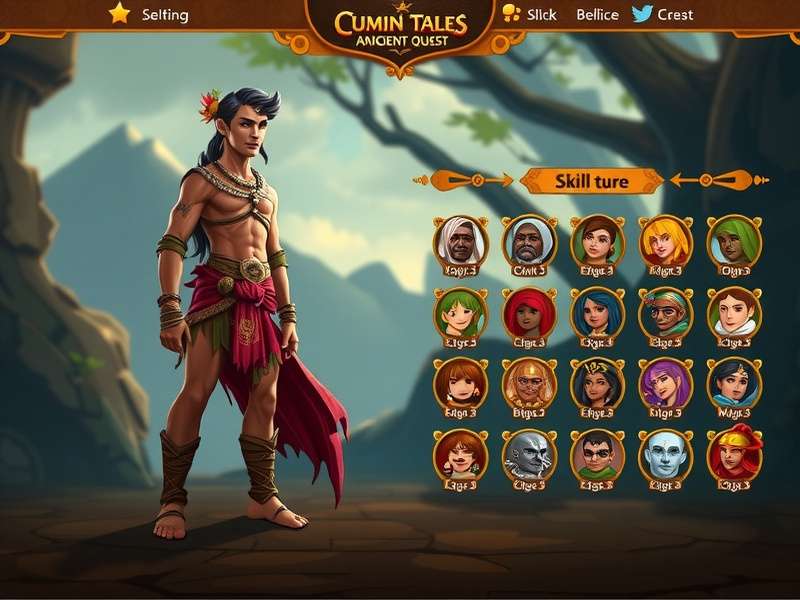
Historical Context & Development
The development of Cumin Tales Ancient Quest began as a passion project by a small team of developers in Mumbai, who sought to create a game that celebrated India's rich cultural heritage. Over three years of meticulous research and development followed, with the team consulting historians, mythologists, and cultural experts to ensure authenticity.
What emerged was not just a game, but a digital preservation of Indian folklore. The developers implemented a "living mythology" system where stories adapt based on player choices, creating a dynamic narrative experience that remains true to the spirit of Indian oral storytelling traditions.
Gameplay Mechanics & Features
The core gameplay of Cumin Tales Ancient Quest combines traditional RPG elements with innovative mechanics inspired by Indian board games and strategic traditions. Players navigate through a sprawling open world, completing quests, engaging in tactical combat, and making narrative choices that shape their journey.
Combat System Deep Dive
The combat in Cumin Tales Ancient Quest employs a unique "Strategic Rhythm" system that combines turn-based tactics with real-time elements. Players must time their attacks to musical cues inspired by classical Indian rhythms, creating a combat experience that feels both strategic and culturally authentic.
⚔️ Pro Tip: Mastering the Taal-based combat system is crucial for success in Cumin Tales Ancient Quest. Pay attention to the musical patterns during battles - they provide visual and auditory cues for optimal attack timing and special move execution.
Character progression follows a "Karma-based" development system where moral choices directly impact abilities and skill trees. Unlike traditional RPGs where players simply choose between "good" and "evil" paths, the karma system in Cumin Tales Ancient Quest reflects the nuanced moral philosophy of ancient Indian texts.
Crafting & Economy
The crafting system in Cumin Tales Ancient Quest draws inspiration from ancient Indian trade routes and artisan traditions. Players can gather resources from across the game world and combine them using recipes that historically accurate methods of production from different regions of ancient India.
The economic system simulates historical trade dynamics, with supply and demand fluctuating based on player actions and regional events. Engaging with the economy isn't just optional - it's essential for character progression and story advancement in Cumin Tales Ancient Quest.
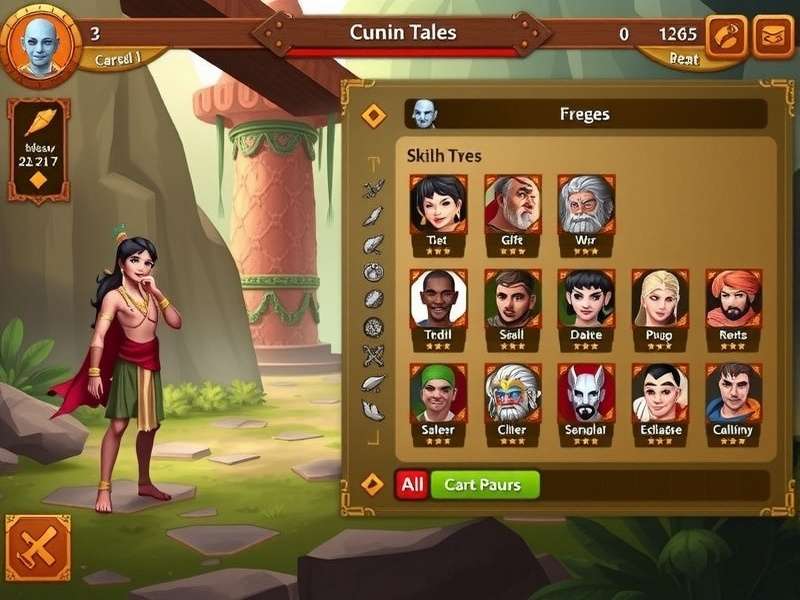
Character Roster & Development
Cumin Tales Ancient Quest features an extensive roster of playable characters, each with deep backstories rooted in Indian mythology and historical archetypes. From noble warriors inspired by Rajput traditions to mystical sages drawing from ancient Vedic texts, the character diversity reflects India's multifaceted cultural heritage.
Main Protagonists
The central character of Cumin Tales Ancient Quest is Arjun, a young warrior whose journey forms the emotional core of the narrative. His development arc mirrors the hero's journey archetype found in ancient Indian epics like the Mahabharata, but with contemporary sensibilities that make him relatable to modern players.
? Character Insight: Arjun's abilities evolve based on player choices in Cumin Tales Ancient Quest, with three distinct development paths: The Warrior's Path (focusing on combat), The Scholar's Path (emphasizing wisdom and strategy), and The Mystic's Path (developing magical abilities).
Supporting characters include Priya, a healer with knowledge of ancient Ayurvedic medicine; Vikram, a merchant with connections across the game world's trade networks; and Lakshmi, a mystic who can communicate with divine entities. Each character brings unique skills and perspectives to the journey.
Antagonists & Moral Complexity
The antagonists in Cumin Tales Ancient Quest avoid simplistic evil archetypes, instead presenting morally complex figures with understandable motivations. The primary antagonist, King Ashwatthama, isn't a conventional villain but a ruler making difficult choices for what he believes is the greater good of his kingdom.
This nuanced approach to character writing elevates Cumin Tales Ancient Quest beyond typical mobile RPGs, creating emotional engagement and moral dilemmas that linger with players long after they've put down their devices.
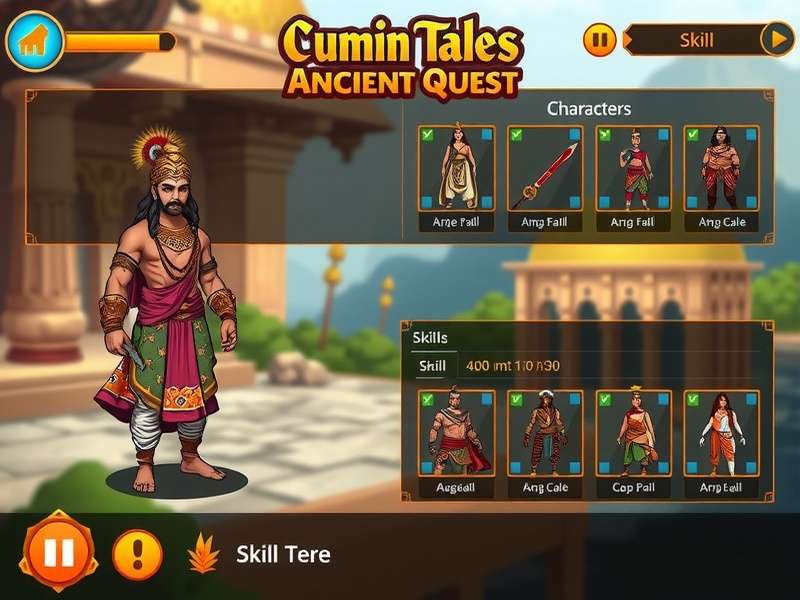
Storyline & Narrative Structure
The narrative of Cumin Tales Ancient Quest unfolds across seven major story arcs, each corresponding to a different region of its fictionalized ancient India. The story begins with a simple premise - the protagonist's quest to find a legendary healing spice - but quickly expands into an epic tale involving political intrigue, divine intervention, and personal redemption.
Mythological Foundations
What sets Cumin Tales Ancient Quest apart from other RPGs is its deep integration of authentic Indian mythology. The game doesn't just borrow superficial elements from Indian folklore; it builds its entire narrative framework on the structural principles of ancient Indian storytelling.
? Narrative Excellence: The storytelling in Cumin Tales Ancient Quest employs the "Panchatantra" structure - nested stories within stories that each convey moral lessons while advancing the main plot. This creates a rich, layered narrative experience unique to Indian literary traditions.
Players encounter characters and situations directly inspired by episodes from the Ramayana, Mahabharata, Puranas, and regional folk traditions. However, these aren't simple retellings - the game recontextualizes these stories in ways that make them accessible to international audiences while preserving their cultural essence.
Branching Narratives & Player Agency
Cumin Tales Ancient Quest features an ambitious branching narrative system where player choices have meaningful, long-term consequences. Unlike games where choices merely affect dialogue, decisions in Cumin Tales Ancient Quest can alter entire story arcs, change character relationships, and even determine which regions of the game world become accessible.
The game's "Dharma System" tracks player choices not as simple good/evil metrics, but across multiple philosophical axes inspired by classical Indian thought. This creates a morally complex narrative experience where there are rarely clear right or wrong answers, only consequences that unfold according to the game's internal karma logic.
Advanced Strategies & Pro Tips
Mastering Cumin Tales Ancient Quest requires understanding its unique game systems and cultural context. This section provides expert strategies developed through extensive gameplay analysis and community collaboration.
Combat Optimization
Successful combat in Cumin Tales Ancient Quest depends on understanding the "Trinity of Attributes" - Strength (Bala), Wisdom (Buddhi), and Spirit (Atma). Unlike traditional RPGs where players might focus on a single attribute, optimal builds in Cumin Tales Ancient Quest require balanced investment across all three domains.
? Advanced Technique: The "Raga Rotation" strategy involves changing your character's equipped musical theme (Raga) before major battles in Cumin Tales Ancient Quest. Different Ragas provide statistical bonuses against specific enemy types and can turn the tide in difficult encounters.
Positioning in combat draws inspiration from ancient Indian battle formations described in historical texts. Understanding the strategic implications of different formations - from the straightforward "Garuda Vyuha" to the complex "Chakravyuha" - provides significant tactical advantages.
Resource Management & Economy
The economic system in Cumin Tales Ancient Quest simulates historical trade dynamics with remarkable complexity. Players can leverage regional price variations to generate wealth, but must consider factors like seasonal changes, political stability, and even religious festivals that affect market conditions.
Investing in trade caravans early in the game creates a sustainable income stream that funds later progression. The most successful players establish trade networks that connect all major regions, creating an economic engine that supports expensive end-game equipment and consumables.
Endgame Content & Replayability
After completing the main storyline, Cumin Tales Ancient Quest offers substantial endgame content including challenge dungeons, legendary boss encounters, and New Game+ modes with additional narrative branches. The game's design encourages multiple playthroughs to experience different story outcomes and character development paths.
The "Mythic Quest" system provides procedurally generated adventures that expand the game world beyond the main narrative. These quests incorporate elements from regional Indian folklore not covered in the primary storyline, ensuring that even veteran players continue to discover new content.