Overview of Bengal Ring Fighter
Bengal Ring Fighter represents one of India's most ancient and respected combat sports, originating from the eastern regions of the country. This traditional martial art combines physical prowess, strategic thinking, and cultural heritage in a unique fighting discipline that has been practiced for centuries.
The sport takes its name from the circular fighting arena, or "ring," where combatants demonstrate their skills. Unlike many Western fighting sports, Bengal Ring Fighter emphasizes fluid movement, balance disruption, and tactical positioning over brute force.
Key Characteristics
- Circular fighting arena symbolizing cosmic balance
- Emphasis on technique over strength
- Deep connection to Indian philosophical principles
- Ritualistic elements preserving cultural traditions
Modern practitioners of Bengal Ring Fighter continue to honor the traditional aspects while adapting to contemporary competitive environments. The sport has seen a resurgence in popularity as Indians rediscover their cultural heritage and seek physical disciplines with philosophical depth.
Historical Development
The origins of Bengal Ring Fighter can be traced back to ancient Indian manuscripts dating to the 5th century BCE. Early references describe combat forms practiced by warriors in the Bengal region, which later evolved into the structured discipline we recognize today.
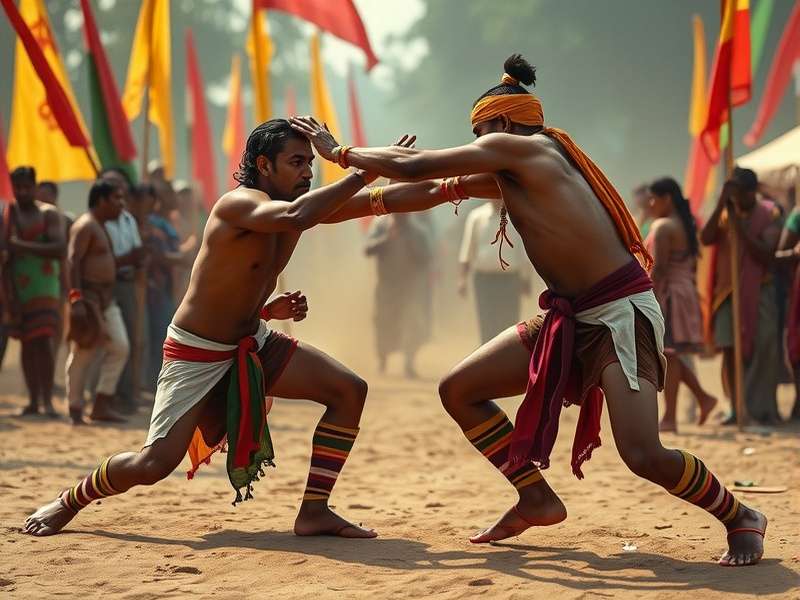
During the medieval period, Bengal Ring Fighter flourished under royal patronage. Kings and local rulers maintained akharas (training grounds) where masters would train selected individuals in the intricate techniques of this martial art. These training centers became hubs of physical, mental, and spiritual development.
The colonial era presented challenges for traditional Indian martial arts, including Bengal Ring Fighter. British authorities often restricted practice of indigenous fighting forms, leading to a decline in public visibility. However, dedicated practitioners continued training in secret, preserving the knowledge through oral traditions and hidden manuscripts.
Post-independence India witnessed a revival of interest in traditional arts, including Bengal Ring Fighter. Government initiatives and cultural organizations began documenting and promoting this unique aspect of India's heritage. Today, the sport enjoys recognition as an important cultural practice while also developing as a competitive discipline.
Historical Timeline
- 5th Century BCE: Earliest references in ancient texts
- 8th-12th Century: Formalization of techniques and rules
- 16th-18th Century: Golden age under royal patronage
- 19th Century: Practice driven underground during colonial rule
- Mid-20th Century: Post-independence revival
- 21st Century: Modern competitive framework established
Fighting Techniques and Strategies
The technical repertoire of Bengal Ring Fighter comprises a sophisticated system of movements, strikes, holds, and counters. Unlike many combat sports that prioritize linear attacks, this discipline emphasizes circular motions and redirection of opponent's energy.
Circular Footwork
Movement patterns based on circular trajectories allowing fighters to maintain optimal positioning while conserving energy.
Precision Strikes
Targeted attacks focused on strategic points rather than power, maximizing effectiveness with minimal effort.
Balance Disruption
Techniques designed to compromise opponent's stability, creating openings for follow-up maneuvers.
Defensive Maneuvers
Evasive actions and blocks that utilize the circular nature of the fighting space for optimal protection.
Advanced practitioners of Bengal Ring Fighter develop an almost intuitive understanding of spatial relationships within the ring. This spatial intelligence allows fighters to anticipate movements and counter attacks with remarkable efficiency. The circular fighting area becomes an extension of the fighter's consciousness.
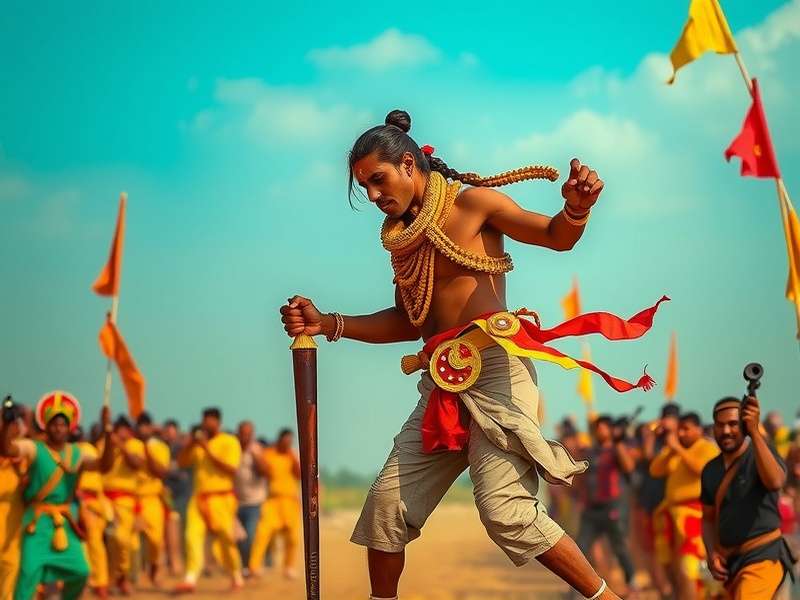
Training methods for Bengal Ring Fighter incorporate both physical conditioning and mental discipline. Practitioners engage in exercises that enhance flexibility, core strength, and cardiovascular endurance while also practicing meditation and visualization techniques to develop focus and strategic thinking.
Rules and Competition Format
The structured framework of Bengal Ring Fighter competitions maintains the traditional essence while ensuring participant safety and fair play. Modern tournaments follow standardized rules that have evolved from historical practices.
Competitions take place in a circular ring measuring approximately 7 meters in diameter. The circular space symbolizes the cosmic balance and endless cycle of energy exchange that is central to the philosophy of Bengal Ring Fighter. The surface is typically covered with traditional materials that provide both traction and impact absorption.
Competition Rules
- Matches consist of three rounds of five minutes each
- Victory achieved through point accumulation or submission
- Strikes to vital areas are restricted and penalized
- Fighters must maintain traditional attire and respect rituals
- Intentional injury to opponent results in disqualification
Scoring in Bengal Ring Fighter competitions rewards technical proficiency and strategic execution. Points are awarded for successful techniques that demonstrate control, precision, and adherence to traditional principles. Judges with extensive knowledge of the art form evaluate each match based on established criteria.
The competitive structure includes regional tournaments, national championships, and international exhibitions. Weight classes ensure fair competition, while age categories allow practitioners of all generations to participate. Women's divisions have gained prominence in recent decades, expanding the reach of Bengal Ring Fighter.
Traditional ceremonies precede and conclude each competition, honoring the cultural roots of Bengal Ring Fighter. These rituals include blessings, demonstrations of respect between competitors, and acknowledgments of masters and ancestors who preserved the art through generations.
Cultural Significance and Philosophy
Bengal Ring Fighter transcends mere physical competition, embodying deep philosophical principles rooted in Indian cultural traditions. The practice integrates physical discipline with mental development and spiritual awareness, reflecting the holistic approach to human potential characteristic of Indian philosophical systems.
The circular fighting space represents fundamental cosmological concepts found in Indian thought. The ring symbolizes the endless cycle of creation, preservation, and dissolution; the balance between opposing forces; and the interconnectedness of all things. Fighters learn to move in harmony with these principles rather than against them.
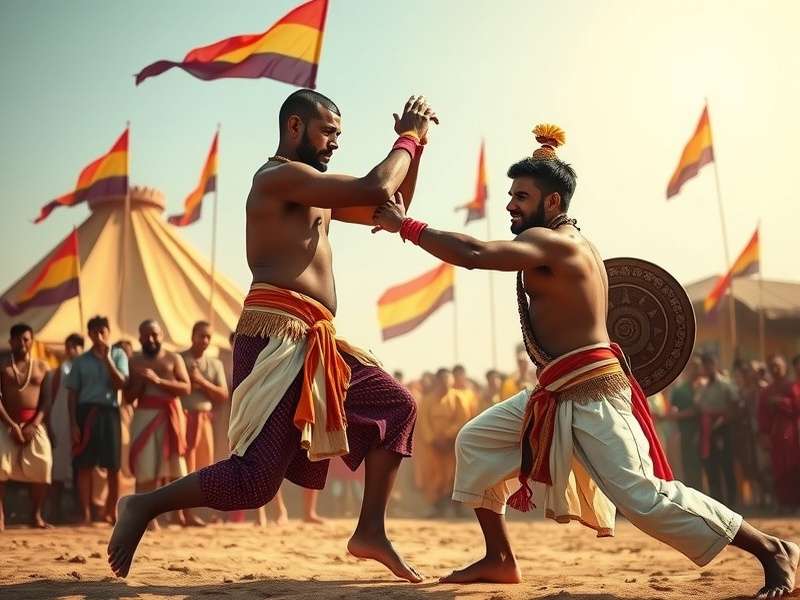
Traditional training extends beyond physical techniques to include ethical development. Practitioners of Bengal Ring Fighter adhere to a code of conduct that emphasizes respect, humility, self-control, and responsibility. Masters teach that true mastery involves not only technical skill but also moral integrity.
The practice of Bengal Ring Fighter has influenced various aspects of Indian culture, including dance, theater, and visual arts. The graceful, circular movements found in certain classical Indian dance forms show clear parallels to the footwork patterns of this martial art. Similarly, dramatic combat sequences in traditional theater often incorporate techniques derived from Bengal Ring Fighter.
Cultural Impact
- Influence on classical Indian performing arts
- Preservation of traditional values and ethics
- Community building through shared practice
- Intergenerational transmission of cultural knowledge
- Symbol of regional identity and pride
In contemporary India, Bengal Ring Fighter serves as a living connection to cultural heritage while adapting to modern contexts. Schools and community centers offer classes that introduce new generations to this traditional art form. Cultural organizations host demonstrations and workshops to raise awareness and appreciation for this unique aspect of India's diverse martial traditions.
The philosophical underpinnings of Bengal Ring Fighter continue to resonate with modern practitioners seeking meaning beyond physical competition. The emphasis on balance, harmony, and self-mastery provides a framework for personal development that extends beyond the fighting ring into daily life. This holistic approach contributes to the enduring appeal of Bengal Ring Fighter in an increasingly fragmented world.
As India continues to navigate the complexities of modernization and globalization, traditions like Bengal Ring Fighter offer touchstones to cultural identity. The practice represents not merely a fighting system but a comprehensive approach to human development that integrates physical, mental, and spiritual dimensions. This holistic vision continues to attract practitioners from diverse backgrounds who seek meaningful engagement with India's rich cultural heritage.
The future of Bengal Ring Fighter appears promising as interest in traditional martial arts grows worldwide. International demonstrations and cultural exchanges introduce this unique Indian combat sport to global audiences. Meanwhile, within India, renewed appreciation for indigenous knowledge systems ensures that Bengal Ring Fighter will continue to evolve while honoring its profound cultural roots.